
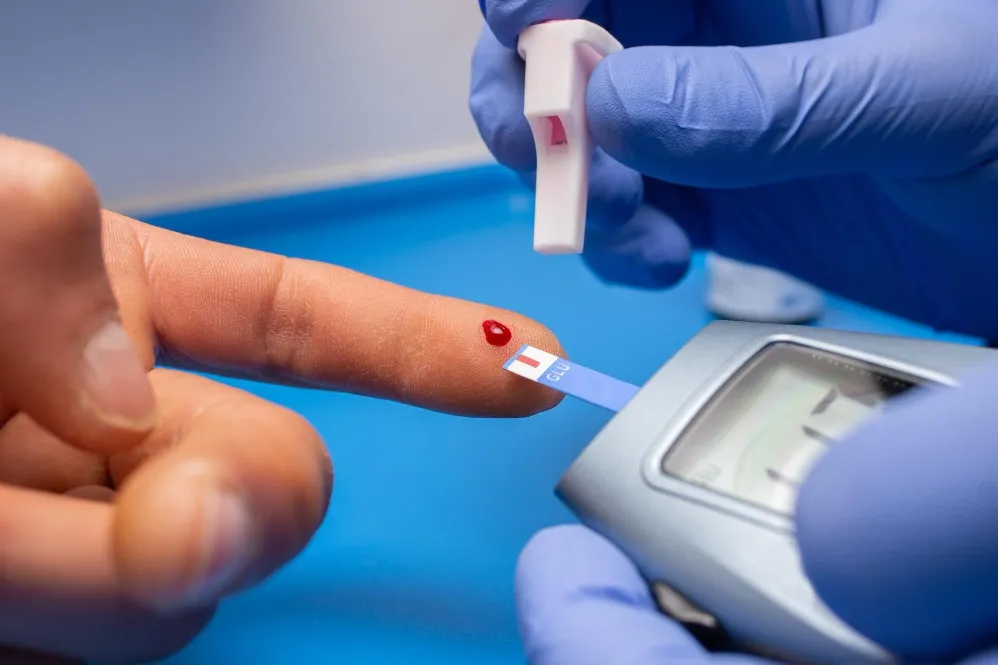
A blood test showing glucose above the normal range does not always mean a person has diabetes. Sometimes the result falls into an intermediate range known as prediabetes.
For adults in Mohali, Punjab, identifying this stage can be particularly valuable because it provides an opportunity to address modifiable risk factors before blood glucose progresses further.
What Is Prediabetes?
Prediabetes means blood glucose levels are higher than normal but have not reached the diagnostic threshold for diabetes.
It often produces no obvious symptoms. Someone may feel completely healthy while their blood tests indicate impaired glucose regulation.
Depending on clinical circumstances, assessment may include fasting blood glucose, HbA1c or other glucose testing recommended by a healthcare professional.
Who May Be at Higher Risk?
Prediabetes can occur in different people, but certain factors can increase risk. These include:
- Being overweight or having excess abdominal fat
- Having a family history of type 2 diabetes
- Low levels of physical activity
- Previous gestational diabetes
- Polycystic ovary syndrome
- High blood pressure
- Abnormal cholesterol or triglyceride levels
- Increasing age
Having one or more risk factors does not establish a diagnosis. Blood testing is necessary.
What Should You Do After a Prediabetes Result?
Start by understanding your numbers rather than panicking about them. Ask what test was performed, what the result means and whether repeat testing is recommended.
Next, examine the lifestyle factors you can realistically change.
Regular physical activity can improve insulin sensitivity. For many adults, this can involve brisk walking, cycling, swimming or another sustainable activity, combined with strength-building exercise where suitable.
Food choices also matter. Practical changes can include reducing sugary drinks, controlling portions of refined carbohydrates and increasing vegetables, fibre and suitable protein sources.
For people who are overweight, even a moderate reduction in body weight can improve metabolic health.
Avoid the Common Quick Fix Approach
Prediabetes is not best addressed through extreme diets or temporary restrictions. A very restrictive eating plan may produce short-term changes but can be difficult to maintain.
Sustainable habits usually matter more.
It is also important not to replace appropriate medical evaluation with unverified products claiming to permanently eliminate diabetes risk.
Keep Monitoring Your Progress
Prediabetes should not disappear from your health priorities simply because you have made lifestyle changes. Follow-up testing helps determine whether glucose levels are improving, remaining stable or progressing.
Blood pressure, weight, waist circumference and lipid levels may also provide useful information about overall metabolic risk.
SAISA MEDI LLP serves the diabetes-care segment in the Chandigarh Tricity market, including Mohali, with supportive products intended to fit within responsible diabetes-management routines.
Prediabetes is best viewed as an early metabolic warning. For residents of Mohali and surrounding Punjab communities, acting at this stage through sustainable lifestyle changes and appropriate monitoring can make long-term glucose management far more proactive.
Keywords


